For Teachers
Empowering Teachers
Empowering Teachers. Inspiring Learners.
SaPiC is an innovative learning platform designed to support both teachers and students. Acting as a powerful "second pair of eyes" in the classroom, SaPiC helps uncover insights that traditional assessment methods can often miss.
For teachers, SaPiC provides a deeper understanding of every learner's strengths, interests, and potential. Whether used to introduce a new topic, extend learning through homework, or provide stretch-and-challenge activities, the platform delivers rich analysis without creating additional marking workload.
By analysing student responses in depth, SaPiC offers meaningful insights that help teachers personalise learning, identify hidden talents, and support every pupil more effectively.

SaPiC: an extra pair of eyes for every teacher
Every teacher wants to give each pupil the best possible opportunity to grow academically and personally. In reality, even the most skilled and committed teacher cannot capture every insight, record every skill, or respond instantly to every learning moment in a busy classroom.
SaPiC is designed to support that challenge. It acts as a practical classroom companion, helping teachers turn almost any image into a meaningful learning opportunity. Whether the image comes from a lesson resource, a local environment, a school trip, or a pupil's own experience, SaPiC helps unlock discussion, questioning, analysis, and critical thinking.

How SaPiC supports teaching and learning
- Creates curriculum-linked learning topics and keywords from uploaded images
- Provides personalised feedback to pupils quickly, helping them reflect and improve
- Eliminates marking and minimises preparation time by automatically feeding pupil work, feedback, and marks into the teacher's mark book*
- Encourages pupils to take greater responsibility for developing their own critical thinking skills
- Supports flexible use across lessons, homework, stretch and challenge tasks, and independent learning activities
Simple, safe, and teacher-controlled
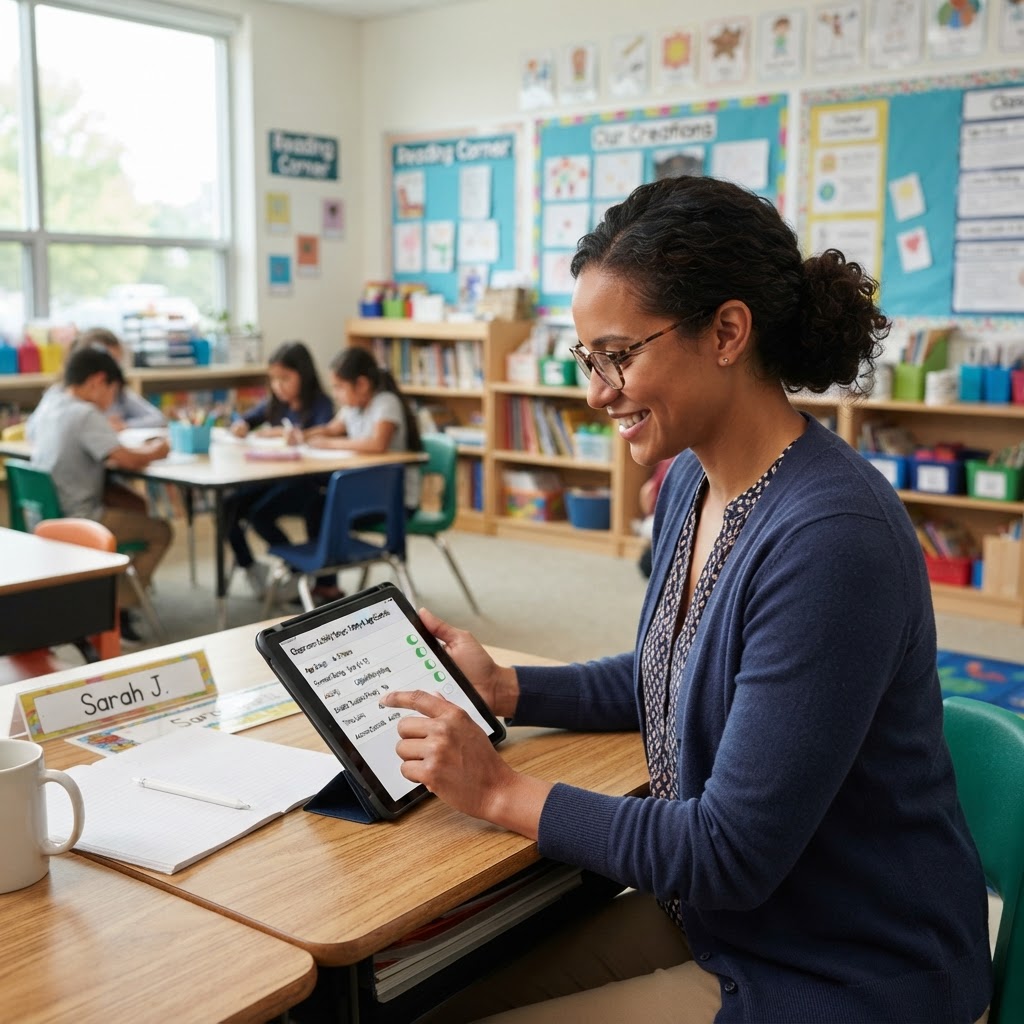
SaPiC includes built-in safeguards to support safe classroom use. Images can be checked before they are used, with features such as face blurring and age-appropriateness controls. Once an image has passed the filters, the teacher can assign it to a class through the mark book and generate a code for pupils to access the activity.
Teachers remain in control throughout. They can set the appropriate age range, decide whether pupils receive marks or emoji-style feedback, and use SaPiC in the way that best suits the lesson. From homework and revision to stretch and challenge activities, SaPiC helps teachers create richer learning opportunities with minimal administrative burden.
For teachers who want to make feedback more immediate, learning more personalised, and critical thinking more visible, SaPiC offers a powerful way to extend the impact of great teaching.
* Data generated by SaPiC can be downloaded as a CSV file and hence can be combined with other generic data analysis software.
For Students
Students
Transforming Student Learning
At the heart of SaPiC is the development of critical thinking, one of the most valuable skills students can acquire for their future education, careers, and everyday lives.
Rather than simply working through curriculum-driven tasks, students are encouraged to take greater ownership of their learning. The platform motivates learners to explore their interests, think independently, and develop confidence in their own decision-making.

How school usually works
At school, much of your learning is guided by teachers, timetables, and exam requirements. You are expected to follow instructions, revise set material, complete homework, and prepare for assessments that are used to judge your performance. While that system provides structure, it can also mean that many important decisions about your learning are made for you rather than by you.

What this kind of assessment misses
Most of the evidence schools use to understand your progress comes from classroom participation, homework, test scores, and final exams. Although this approach is familiar, it does not always capture the full range of your abilities, interests, or potential. It also gives you only limited influence over how your development is recognised and understood.
Even when teachers provide helpful comments and suggestions, that feedback can lose its impact once attention shifts to the mark. This means valuable guidance is often missed, when it could instead be used to reflect, improve, and take a more active role in shaping your own learning journey.

A different kind of opportunity
SaPiC offers a different kind of opportunity. It helps you take more control of your educational development by giving you immediate feedback, building a fuller picture of how you learn, and making it easier to recognise where you are making progress and where you can grow next.
- Use feedback straight away to improve your thinking and performance
- Understand your strengths and development areas more clearly
- Track your progress over time and take greater ownership of your next steps
Most importantly, it helps you see your education as something you can actively shape. A weakness is not a fixed limitation. It is a signal of where you can focus, improve, and take the next step in your development.
For Parents
Parents

SaPiC for parents: helping your child take charge of their future
As a parent, you want to support your child's development without always having to step in, push, or take control. SaPiC offers a positive, unobtrusive way to encourage your child to become more curious, more reflective, and more involved in shaping their own learning.
Everyday moments can become learning opportunities. A photograph taken on holiday, a picture from a day out, or an image connected to a hobby can be used to spark questions, build critical thinking, and help your child develop skills that will matter throughout their education and future life.
- Encourages your child to take greater ownership of their learning and personal development
- Turns familiar images and experiences into meaningful learning activities
- Helps reveal your child's interests, strengths, and areas where they may need support
- Builds valuable skills such as questioning, analysis, reflection, and independent thinking
- Can support future decisions about subjects, courses, pathways, and careers
The more your child uses SaPiC, the richer the picture becomes. Over time, it can help identify patterns in how they think, what captures their interest, and where they may benefit from encouragement. Crucially, SaPiC can keep feedback personal to the child while still giving parents a practical way to support progress, confidence, and future readiness.
If you want to be more involved in your child's growth without taking away their independence, SaPiC gives you a simple and powerful way to help them look forward, think more deeply, and begin shaping the future that is right for them.
How it Works
How SaPiC Works
SaPiC is an educational framework and app that develops and assesses the critical thinking skills needed to thrive in a complex and rapidly changing world. Through a structured process, learners are taught how to think more clearly, reason more effectively and make better-informed decisions.

Choose an Image
Start your inquiry by selecting an image from the library or uploading your own. Images are the gateway to observation, curiosity and deeper thinking.
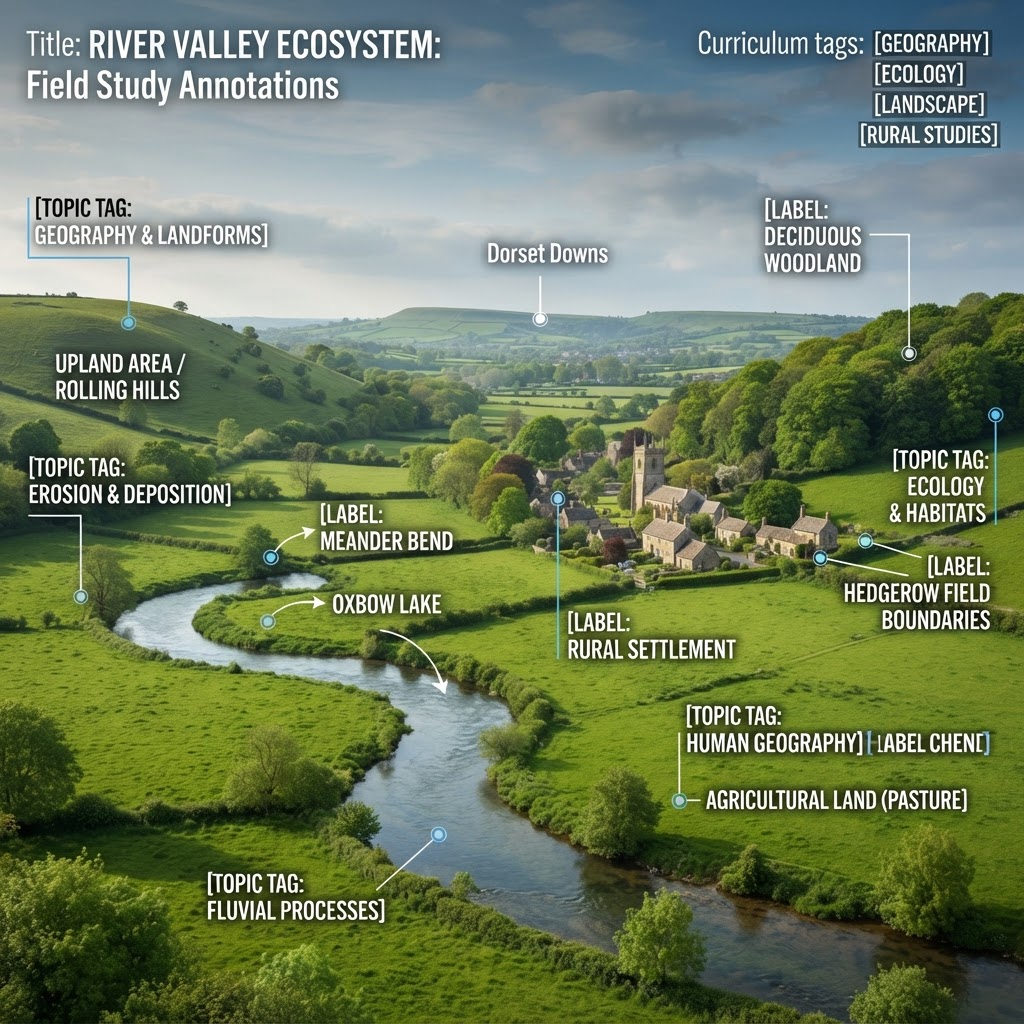
Check the Image Annotation
Explore annotations and highlighted regions on the image. These guide your attention to key areas and help you notice things you might otherwise overlook.

Novice to Expert
Progress through levels as your critical thinking skills develop. Every inquiry you complete builds your mastery and moves you closer to expert status.

The SkillPill — Observation
Begin with a photograph from your classroom, your journey home, or the image library. Study it closely and identify something unusual, suspicious, or simply interesting — a precise observation gives the rest of your investigation a clear focus. Place a pin exactly where you notice something worth investigating, starting with "I notice that…" or "I wonder why…".
How it Works
How SaPiC Works
SaPiC is an educational framework and app that develops and assesses the critical thinking skills needed to thrive in a complex and rapidly changing world. Through a structured process, learners are taught how to think more clearly, reason more effectively and make better-informed decisions.